In the evolving landscape of workplace ergonomics, understanding "what is a dynamic sitting chair" is essential. These innovative chairs are designed to promote active movement, unlike traditional office chairs that encourage prolonged static postures. According to a report by the Global Ergonomics Market, the demand for ergonomic furniture is projected to reach $55 billion by 2026. Dynamic sitting chairs play a crucial role in this trend, catering to those who seek comfort without sacrificing health.
Research reveals that nearly 80% of adults experience back pain at some point in their lives. Importantly, dynamic sitting chairs can mitigate the risk of developing musculoskeletal issues, as they facilitate subtle movements throughout the day. This is particularly vital in a work environment where employees often remain seated for long periods. However, potential users should reflect on their individual needs. Not every dynamic chair suits every body type or work style, leading to varying benefits and experiences for different users.
The integration of dynamic sitting chairs into daily routines may enhance productivity and overall well-being. Yet, they also present challenges. Transitioning from traditional seating might require an adjustment period. Users must consider their comfort levels and preferences carefully. Thus, exploring the world of dynamic sitting chairs involves both curiosity and critical self-reflection.
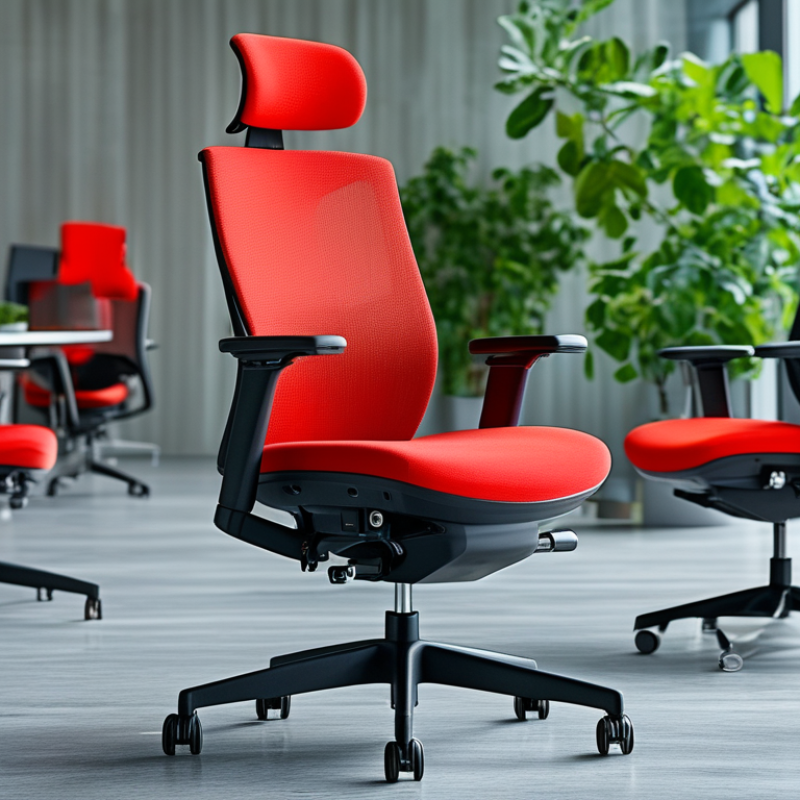
What Defines a Dynamic Sitting Chair: An Overview of Key Features
Dynamic sitting chairs are designed to promote natural movement during prolonged sitting. Key features include adjustable heights, shifting bases, and back support that adapts to user posture. A report from the International Journal of Environmental Research and Public Health states that sedentary lifestyles contribute to a significant rise in musculoskeletal disorders. This highlights the importance of innovative seating solutions.
These chairs encourage micro-movements. This can reduce the risks associated with long hours spent in static positions. Research from the Journal of Occupational Health indicates that 75% of office workers experience back pain at some point. By allowing users to shift their weight and change positions, dynamic chairs aim to alleviate discomfort and improve overall well-being.
While these chairs offer notable benefits, they require a period of adjustment. Some users may initially find them less stable compared to traditional chairs. The transition might be uncomfortable for those accustomed to rigid seating. However, consistent use can lead to improved posture and more focus. Balancing comfort and movement may redefine how we think about sitting at work.
Benefits of Dynamic Sitting Chairs: Enhancing Posture and Comfort
Dynamic sitting chairs are designed to promote better posture and enhance comfort throughout the day. These chairs allow for movement and adjustability, which helps prevent stiffness and fatigue. By encouraging a more natural sitting position, users can avoid common issues like back pain and discomfort.
The benefits of dynamic sitting chairs go beyond just comfort. They support spinal health and improve circulation by allowing small shifts in posture. This can lead to increased energy levels and focus while working. Many users report feeling more engaged and less distracted when using a dynamic chair.
However, not every dynamic chair suits everyone. Finding the right fit can be a challenge. Some may struggle with adjustment or less familiar movement patterns. It’s crucial to consider individual body types and preferences. Exploring different options allows people to find what truly works for them.
2026 Best Dynamic Sitting Chair What Is It and Benefits? - Benefits of Dynamic Sitting Chairs: Enhancing Posture and Comfort
| Feature |
Description |
Benefit |
| Ergonomic Design |
Supports natural spine alignment |
Reduces back pain and discomfort |
| Dynamic Movement |
Allows slight rocking and movement |
Enhances core muscle engagement |
| Adjustable Height |
Can be tailored to individual user height |
Promotes better posture during sitting |
| Breathable Material |
Utilizes fabrics that enhance airflow |
Keeps user cool and comfortable |
| Stylish Design |
Modern aesthetics suitable for any environment |
Enhances the look of office or home space |
Statistics on Sedentary Behavior: The Need for Dynamic Seating Solutions
Sedentary behavior has become an alarming concern in today's society. According to the World Health Organization, physical inactivity leads to significant health risks, including heart disease and obesity. A study published in the Journal of Physical Activity and Health indicates that around 80% of adults do not meet recommended physical activity levels. Sitting for prolonged periods can have dire consequences on one's health.
Dynamic seating solutions are gaining attention as an effective response to sedentary lifestyles. These chairs promote movement and better posture, allowing users to engage their muscles while seated. Research from the American Journal of Preventive Medicine shows that integrating dynamic seating can reduce the time spent sitting and improve energy levels. Additionally, the ergonomic design can diminish discomfort and increase productivity, addressing many common workplace issues.
As we navigate this crisis of inactivity, it’s essential to prioritize seating that encourages movement. While dynamic chairs may not completely replace the sit-stand desk trend, they provide a vital alternative. The journey towards better health might require rethinking our habits and the furniture we use every day. Understanding these statistics helps us realize the urgent need for solutions that support a more active lifestyle.
Statistics on Sedentary Behavior: The Need for Dynamic Seating Solutions
Comparative Analysis: Dynamic Sitting Chairs vs. Traditional Office Chairs
Dynamic sitting chairs represent a revolutionary approach to workplace seating. Unlike traditional office chairs, which often promote static postures, dynamic chairs encourage movement. This shift can lead to significant improvements in posture and comfort. A report from the American Ergonomics Association indicates that 66% of office workers experience discomfort due to prolonged sitting. Dynamic chairs can help mitigate these issues by allowing users to engage their core muscles while seated.
In terms of productivity, a study published by the Journal of Physical Activity and Health found that employees using dynamic chairs reported a 15% increase in focus and efficiency. This is likely due to their ability to move subtly throughout the day, which can help reduce fatigue. However, some users may find the learning curve challenging. Adjusting to a new seating style can create initial discomfort. This reflects the need for organizations to invest in proper training and time for adjustment.
Dynamic chairs also come with a higher price tag compared to conventional options. This may deter some businesses from making the switch. Nonetheless, the long-term benefits, such as reduced absenteeism and increased employee satisfaction, can justify the investment. Adopting a dynamic seating approach may require a cultural shift within an organization. However, the potential for a healthier workforce makes it a consideration worth exploring.
Future Trends in Ergonomic Design: The Evolution of Dynamic Sitting Solutions
The evolution of ergonomic design has shifted towards dynamic sitting solutions, reflecting an increasing awareness of health and well-being. According to a report by the World Health Organization, sedentary behavior is a leading risk factor for chronic diseases. This has prompted designers to create chairs that allow for movement. Dynamic sitting chairs encourage users to shift their positions regularly. By doing so, they reduce the strain on the spine and improve overall posture.
Recent studies show that about 70% of office workers experience discomfort with traditional seating options. Dynamic chairs aim to address this issue. They often include mechanisms that promote an active sitting experience. Some models incorporate features like adjustable height and tilt. These functionalities help to engage core muscles and enhance circulation. Employers see significant benefits from investing in these solutions. For instance, productivity can increase by up to 20% in workplaces that implement ergonomic designs.
The future of dynamic sitting is likely to incorporate smart technology. Sensors could analyze user behavior and suggest optimal postures. Such innovations may come in response to data indicating a direct link between comfort and efficiency. However, it is essential to recognize that no solution is perfect. Transitioning to dynamic sitting may require an adjustment period, and not all users will find them beneficial immediately. Exploring these new trends is vital for harnessing their full potential.
Conclusion
A dynamic sitting chair is designed to promote movement and adjust to the user's needs, enhancing comfort and supporting better posture during prolonged sitting. Unlike traditional office chairs, these chairs encourage a more active seating position, which can help mitigate the negative effects of sedentary behavior, such as back pain and decreased circulation. The key features of dynamic sitting chairs include adjustable height, various reclining options, and the ability to swivel, all aimed at fostering a more engaging workspace.
The importance of dynamic seating solutions is underscored by statistics highlighting the risks associated with long periods of inactivity. As the demand for ergonomic furniture increases, future trends are likely to focus on further innovations in design, enhancing the functionality of dynamic sitting chairs. This evolution aims to create work environments that not only prioritize comfort but also encourage physical activity, ultimately improving overall well-being for users.

 Valet Chair