Dental chairs serve a specialized purpose, distinctly different from ordinary office chairs. Renowned dental expert Dr. Elizabeth Harper emphasizes, "The design of dental chairs optimizes patient comfort and accessibility." This highlights a critical aspect of dental chair innovation: their unique functionality.
So, why are dental chairs designed differently than office chairs? Dental practices require chairs that facilitate a wide range of procedures while ensuring patient comfort. These chairs often feature adjustable positions, allowing dentists to access the oral cavity easily. In contrast, office chairs prioritize user comfort for long periods but lack the specific adjustments needed for dental work.
The variability in design reflects the demands of each environment. While office chairs emphasize lumbar support, dental chairs must provide stability. Additionally, dental chairs are typically made from materials that are easy to clean and resist stains, a necessity in clinical settings. However, this focus on functionality sometimes leads to less consideration for aesthetic appeal. This raises questions about balancing design with necessity in professional settings.
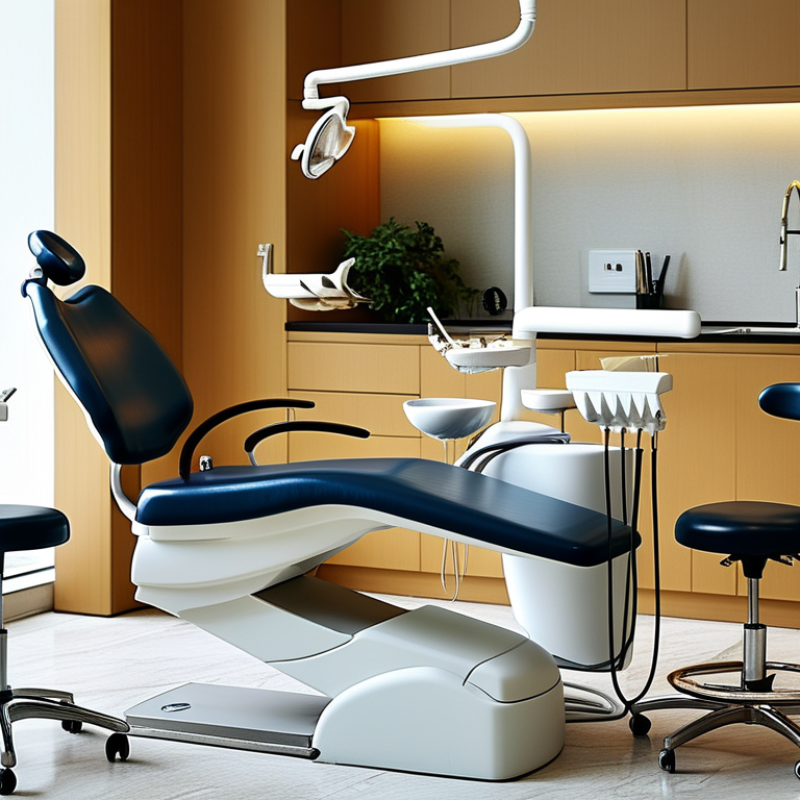
Differences in Design: Dental Chairs vs. Office Chairs
Dental chairs and office chairs serve different purposes, leading to distinct design features. A dental chair is engineered for health care settings. It often includes adjustable features for optimal patient comfort and access for the dentist. According to the American Dental Association, ergonomic design in dental chairs can reduce the risk of strain in dental professionals. This is crucial since dentists can spend up to eight hours a day working in these chairs.
In contrast, office chairs focus on supporting long hours of sitting. They promote comfort while working at a desk. A study published by the International Journal of Occupational Safety and Ergonomics states that proper office chair height is vital for preventing musculoskeletal disorders. Office chairs often come with lumbar support, adjustability, and various seat materials. However, they lack the specialized adjustments seen in dental chairs, which provide functions such as tilting and reclining.
When selecting seating for either environment, consider the functions required. For dental professionals, ensuring the chair can support dynamic movement is key. For office settings, look for chairs that offer effective lumbar support. Regularly assess your seating for wear and tear. Unnoticed damage can lead to discomfort over time. Making sure your chairs meet specific needs can improve overall well-being in both environments.
Differences in Design: Dental Chairs vs. Office Chairs
Adjustment Mechanisms: Customization in Dental and Office Chairs
When comparing dental chairs and office chairs, customization plays a crucial role in their design and usability. Dental chairs are equipped with advanced adjustment mechanisms to meet specific clinical needs. These chairs can be reclined or elevated effortlessly, allowing optimal positioning for both the dentist and patient. Research shows that adjustable features can reduce musculoskeletal disorders for dental professionals, a concern highlighted in the American Dental Association’s studies.
In contrast, office chairs prioritize long hours of comfortable sitting. Their adjustable components cater to various body types and preferences. Common adjustments include seat height, backrest angle, and armrest positioning. However, many office chairs lack the comprehensive range found in dental chairs. According to a report from the Occupational Health and Safety Administration, ergonomic adjustments can reduce the risk of chronic pain in sedentary office workers, but they may still fall short in addressing dynamic seating needs.
While both chair types offer significant customization, dental chairs often incorporate specialized features like foot pedals for easy adjustments. Some dentists express frustration with how office chairs can lack these types of functionalities. Despite their intended ergonomics, office chairs may not fully accommodate the agile movements required in clinical settings. This difference reinforces the importance of tailored design in specific work environments.
Ergonomics and Comfort: Considerations for Dental vs. Office Use
Dental chairs and office chairs serve distinct purposes, particularly in terms of ergonomics and comfort. Dental professionals spend hours in their chairs, necessitating designs that support prolonged sitting. The dental chair is often adjustable in multiple ways, allowing for optimal positioning of both the patient and the dentist. This flexibility helps reduce strain on the body, ensuring that practitioners can maintain a healthy posture throughout their workday.
For office chairs, comfort is also crucial, but the focus is often on desk height and mobility. While office chairs typically provide lumbar support, they lack the specialized adjustments found in dental chairs. This can lead to discomfort during long periods of work. Choosing the right office chair is essential, as poor seating can contribute to back pain and decreased productivity.
Consider implementing regular breaks during long sessions in the dental chair or office chair. Stand up, stretch, or walk around to improve circulation. Adjusting your chair's height can also help, ensuring your feet are flat on the floor. Ultimately, understanding how dental and office chairs differ can guide you in selecting the best options for your needs. Prioritize comfort and support to enhance your daily experience, whether in a clinic or at a desk.
Functionality and Features: Specialized Tools in Dental Chairs
Dental chairs are specifically designed to cater to the unique needs of dental professionals and their patients. Unlike standard office chairs, dental chairs feature adjustable heights and reclining capabilities. This allows dentists to work comfortably at varying angles while ensuring patient comfort. The ergonomic design promotes better posture for the dentist, reducing fatigue during long procedures.
Moreover, dental chairs often come equipped with built-in tools, such as integrated lighting and suction systems. These features enhance the efficiency of dental work, providing easy access to essential equipment. The materials used in dental chairs are also tailored for easy cleaning and infection control. This is crucial in a dental setting, where hygiene is paramount.
While dental chairs are high-tech, they can be complicated to maintain. Regular servicing is essential to keep all functions in optimal working order. Additionally, the cost of purchasing specialized dental chairs can be a concern for new practices. Balancing advanced technology with practical usability remains a challenge in dental chair design.
How are Dental Chairs Different from Office Chairs? - Functionality and Features: Specialized Tools in Dental Chairs
| Feature |
Dental Chairs |
Office Chairs |
| Adjustability |
Multi-directional height and tilt adjustments for patient comfort |
Basic height adjustments typically |
| Recline Function |
Ability to recline significantly for treatment access |
Limited reclining capabilities, mostly upright |
| Built-in Accessories |
Integrated armrests, headrests, and suction systems |
Minimal accessories, usually lacks integrated systems |
| Material |
Easy to clean, infection control compliant materials |
Variety of textiles, not specifically designed for sanitation |
| Mobility |
Wheels for easy repositioning during procedures |
Usually stationary or limited mobility |
| Weight Capacity |
Designed to support a wide range of patient sizes |
Standard weight limits, generally less than dental chairs |
Material and Durability: Comparing Construction of Both Chair Types
When comparing dental chairs and office chairs, material and durability play vital roles. Dental chairs are often made from high-grade materials designed for extreme durability. These chairs must withstand regular cleaning and sterilization. In contrast, office chairs prioritize comfort and aesthetics over durability. While office chairs use softer fabrics, dental chairs utilize vinyl or synthetic leather that can resist fluids and stains.
According to industry reports, dental chairs need to support heavy use. The average lifespan of a dental chair is approximately 10 to 15 years, depending on usage and care. Office chairs, however, may only last about 5 to 10 years. The construction of dental chairs includes robust support frames and specialized hydraulic systems for smooth adjustments. The mechanics here are crucial, designed with precision for dental procedures.
Some dental chairs can be cumbersome, making them difficult to relocate. Their bulkiness could be a flaw for some dental practices. Office chairs are often lighter, but they may lack the sturdiness necessary for medical environments. Thus, while dental chairs offer practical durability, their weight and design can pose challenges worth considering.
FAQS
: Dental chairs have adjustable heights and reclining features. This design caters to the needs of dentists and patients.
The ergonomic design promotes better posture, reducing fatigue during long procedures. Comfort is essential for efficiency.
Dental chairs often come with integrated lighting and suction systems. These tools enhance the efficiency of dental work.
Dental chairs use durable materials for easy cleaning and infection control. This is crucial in maintaining hygiene in dental settings.
Regular servicing is essential to maintain optimal functionality. Complicated mechanisms require consistent upkeep to avoid issues.
Dental chairs last about 10 to 15 years with proper care. Their durability supports heavy usage in a clinical environment.
Some dental chairs can be cumbersome and difficult to relocate. Their bulkiness can pose challenges in smaller practices.
Office chairs prioritize comfort over durability. They typically last only 5 to 10 years and may not withstand medical use.
The high cost of specialized dental chairs can be a concern for new practices. Balancing budget with quality is a challenge.
Conclusion
Dental chairs and office chairs serve distinct purposes, leading to significant differences in their design and functionality. The primary question is, why are dental chairs designed differently than office chairs? Dental chairs are specifically engineered for the unique requirements of dental procedures, featuring adjustable mechanisms that allow for precise positioning of patients. This ensures optimal access for dentists, improving both comfort and efficiency during treatment.
Moreover, dental chairs incorporate specialized tools and features, such as built-in suction systems and light mounts, which are absent in standard office chairs. When it comes to ergonomics, dental chairs provide better support for prolonged medical practices, while office chairs focus on comfort for desk work. The materials used in dental chairs are also specifically chosen for durability and ease of cleaning, reflecting the need for hygiene in dental environments. In summary, the design distinctions between dental and office chairs are driven by their respective functional requirements and user experiences.

 Valet Chair