When you invest in an ergonomic chair, the expectation is comfort and support. Yet, many people ask, "why does my ergonomic chair hurt my lower back?" This question reveals a common issue—pain despite the promise of relief. It's crucial to explore the factors that could lead to discomfort, even in well-designed chairs.
Firstly, improper adjustment may be at fault. Many users overlook the importance of customizing chair settings to fit their unique bodies. A chair that is too high or low can strain the lower back. Secondly, consider your posture while sitting. Slouching or leaning forward can increase pressure on the spine, leading to pain.
Lastly, the choice of chair material and design also plays a role. Some ergonomic chairs lack adequate lumbar support, which is essential for proper spinal alignment. Reflecting on these details can help identify the true cause of discomfort, guiding you toward a more suitable solution.
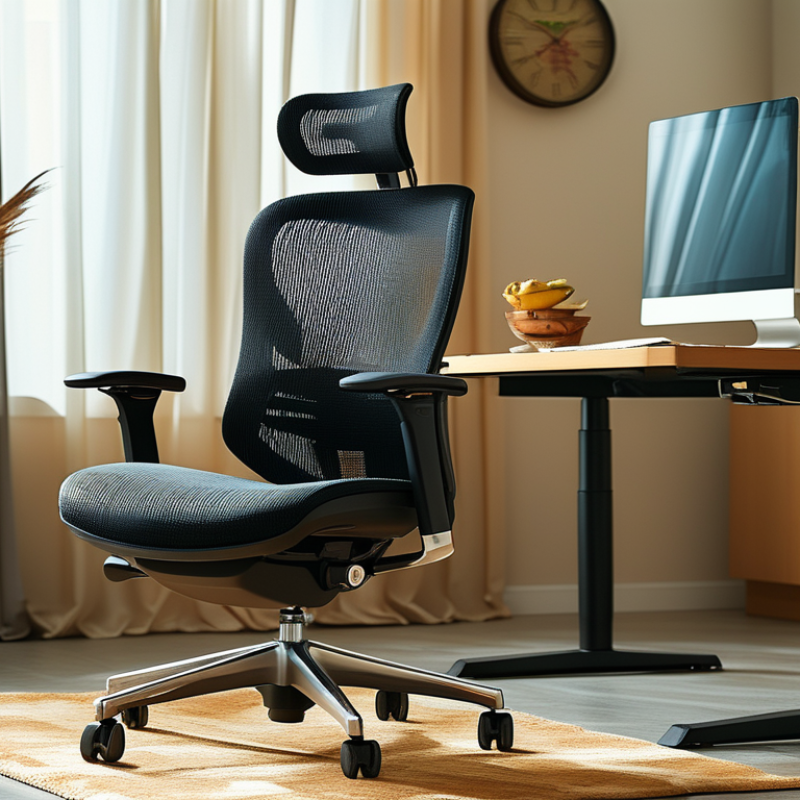
Ergonomic chairs are designed to support the human body. Many people expect immediate comfort, yet discomfort can arise. A study from the American Physical Therapy Association revealed that nearly 80% of office workers experience back pain at some point. This statistic highlights the need for thoughtful chair design.
Key principles of ergonomic design include lumbar support and adjustable features. Proper lumbar support aligns the spine. However, if a chair doesn't fit, it can lead to strain. Studies show that chairs with adjustable height and backrest positions significantly reduce discomfort. Yet, many users overlook adjustments. They often sit in static positions for hours, which can exacerbate pain.
The materials used in chairs also matter. Breathable fabrics reduce sweating, promoting comfort during long hours. Yet, some cheaper models sacrifice quality for cost. Users may feel comfortable initially but suffer from long-term issues. Understanding ergonomic design principles can help individuals select a chair that suits their body. Awareness and proper adjustments are crucial for maintaining comfort and preventing pain.
Many believe that an ergonomic chair guarantees relief from back pain. This misconception can lead to frustration. An ergonomic chair is designed to support the body, but it doesn't guarantee a pain-free experience for everyone. Individual factors play a significant role, including posture, body type, and the amount of time spent sitting.
Adjusting an ergonomic chair correctly is crucial. If the chair's height or lumbar support is not set right, it can contribute to discomfort. Some people may sit too long without moving, which can worsen back pain. Regularly changing positions and taking breaks is important, even in a well-designed chair.
Another common belief is that all ergonomic chairs are the same. In reality, they vary widely in design and functionality. One chair may work for one person, while another might find it uncomfortable. Understanding your body’s unique needs is essential for effective pain management, and individuals should not rely solely on their chair for support.
Many people experience lower back pain while using ergonomic chairs. One common issue is improper chair adjustment. A chair that doesn't fit your body correctly can lead to discomfort and strain. It's crucial to spend time dialing in your settings. The right adjustments can make all the difference.
Start with seat height. Your feet should rest flat on the floor. Knees should be at a 90-degree angle. If not, you may lean forward or slouch. This can strain your back. Adjust the lumbar support to match the curve of your spine. A lack of support can exacerbate discomfort. Additionally, the armrests should allow comfortable positioning of your arms without raising your shoulders.
It’s easy to overlook these adjustments. Regularly check how your chair fits you. Small tweaks can significantly enhance your comfort. Pay attention to how you feel after long hours of sitting. If discomfort persists, reconsider your chair setup. Reflect on your habits. Are you taking breaks? The best chair alone won’t solve all problems.
Sitting posture plays a crucial role in back discomfort, particularly for those using ergonomic chairs. A study by the American Chiropractic Association indicates that nearly 80% of individuals experience back pain due to poor posture. When we sit for long periods, our spine should maintain its natural curve. However, many people slouch or hunch over, which can increase pressure on spinal discs.
Ergonomic chairs are designed for support, but they won’t help if users don’t sit properly. The optimal angle for sitting should be around 90 degrees at the hips and knees. Yet, research shows that over 50% of office workers do not adjust their chairs correctly. This failure leads to muscle strain and discomfort. Simple adjustments, like ensuring feet rest flat on the ground, can make a significant difference.
Moreover, distraction contributes to poor posture. Many workers focus on tasks rather than their body positioning. A report from the Occupational Safety and Health Administration states that 1 in 3 employees report pain related to sitting habits. As we acknowledge these statistics, it’s essential to reflect on our daily routines. Taking short breaks and shifting positions can alleviate discomfort. Proactively addressing posture is vital for long-term well-being.
Experiencing back pain while using an ergonomic chair can be frustrating. Sometimes, the chair's adjustments don’t suit your body type. This mismatch can lead to discomfort, particularly in the lower back. It’s crucial to assess your posture and chair settings frequently. A common issue is slouching or sitting too long without breaks. Listening to your body's signals is vital.
If your pain persists despite adjustments, it may be time to seek professional help. Ignoring consistent discomfort can lead to chronic pain. A healthcare professional can evaluate your posture and overall health. They may recommend physical therapy or specific exercises to strengthen your back. Early intervention is essential to prevent further issues.
Don’t hesitate to reach out for help. You deserve a comfortable work environment. Find a specialist who understands posture-related problems. They can guide you in making necessary changes. Sometimes, a simple modification is all it takes to enhance your sitting experience. Be proactive about your health and comfort.
: Start by adjusting the seat height so your feet rest flat on the floor. Your knees should be at a 90-degree angle.
Regularly check your chair adjustments. Small tweaks can significantly enhance your comfort level, especially during long hours.
Proper lumbar support matches your spine's curve. A lack of support can lead to back discomfort and strain.
Armrests should support your arms comfortably without raising your shoulders. This can help prevent shoulder strain.
It’s essential to take breaks regularly. Long periods of sitting can lead to discomfort and poor posture.
If discomfort persists despite chair adjustments, consider consulting a healthcare professional for evaluation and advice.
Yes, small changes in your chair settings can significantly improve comfort. Don't underestimate the impact of these adjustments.
If your chair's adjustments don’t suit you, it may lead to discomfort. Reassess your setup and consider alternatives if needed.
Regularly check your alignment. Pay attention to avoid slouching and adjust your chair as necessary for proper support.
Be proactive about your comfort. Make adjustments and take breaks. A simple modification may enhance your sitting experience greatly.
Understanding the intricacies of ergonomic chair design is crucial in addressing the question, "why does my ergonomic chair hurt my lower back?" While these chairs are crafted to promote better posture and comfort, several factors can influence their effectiveness. Common misconceptions regarding ergonomics often lead to improper use or unrealistic expectations about pain relief. It's essential to recognize key elements of chair adjustment that provide adequate support tailored to individual body types.
Posture plays a significant role in back discomfort, highlighting the need for mindful sitting habits. If discomfort persists despite making adjustments to the chair, seeking professional help may be necessary to address underlying issues. By understanding these factors, individuals can optimize their ergonomic seating solutions and potentially alleviate lower back pain.

Valet Chair