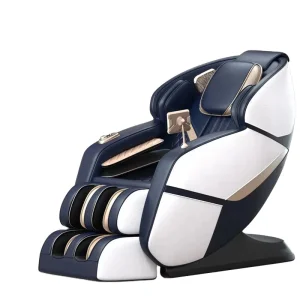
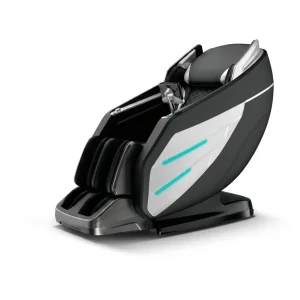
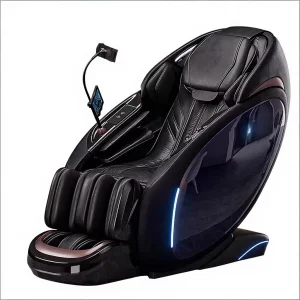
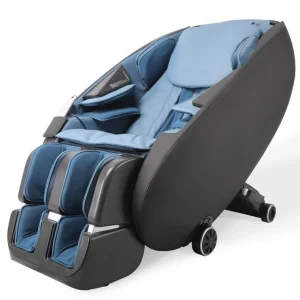
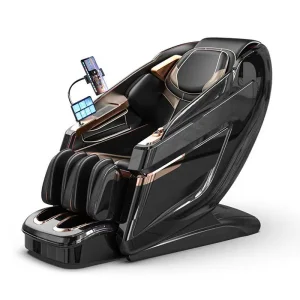
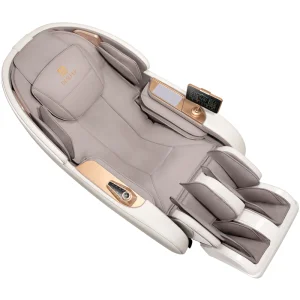
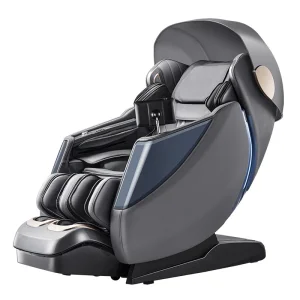
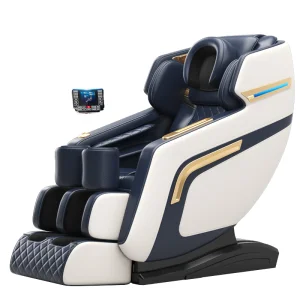
Discover our flagships integrating biometric sensing and aerospace-grade zero gravity mechanisms, optimized for executive suites and high-tech offices.
The global workplace is undergoing a seismic paradigm shift. Traditional seating is no longer sufficient in an era characterized by data-driven operational decisions and proactive employee health preservation. As organizations across East Africa embrace high-speed telecom connectivity, modern offices in cities like Addis Ababa are at the forefront of adopting ergonomic technology. This whitepaper analyzes the current commercial, technical, and logistical factors driving the implementation of IoT Connected Smart Chairs in Ethiopia and the wider Horn of Africa.
Under the national digital transformation plan (Digital Ethiopia 2025), the country is building strong digital infrastructure. With the liberalisation of the telecommunications sector—marked by the growth of Ethio Telecom and the launch of Safaricom Ethiopia—high-speed 4G LTE and 5G networks are expanding. This digital backbone allows for real-time Internet of Things (IoT) integrations in corporate real estate, hotel developments, and public projects.
Key hubs like the Addis Ababa ICT Park and the new corporate towers of CBE, Awash Bank, and Nib International Bank are driving demand for premium ergonomics. Standard office furniture is being replaced with smart IoT-enabled chairs. These connected devices utilize sensor matrices to gather spatial utilization data and physical health metrics.
The global smart furniture market is growing rapidly. It is transitioning from simple physical adjustments to fully integrated health-monitoring hubs. Incorporating AI engines, zero-gravity seating, heat therapy, and real-time posture analysis tools, these chairs are designed to reduce musculoskeletal disorders (MSDs)—one of the leading causes of worker absenteeism globally.
Furthermore, global sustainability standards require smart furniture manufacturers to offer high energy efficiency and durability. Leading smart chair solutions incorporate recycled steel alloys, certified high-density foam, and durable polymers. This helps enterprises meet LEED certifications and target carbon-neutral operations.
Smart seating solutions are highly adaptable to specific projects and environments across Ethiopia:
From raw materials and high-precision machinery to final QC inspections at Foshan Valet Chair Co., Ltd., we maintain rigorous standards throughout our production line.
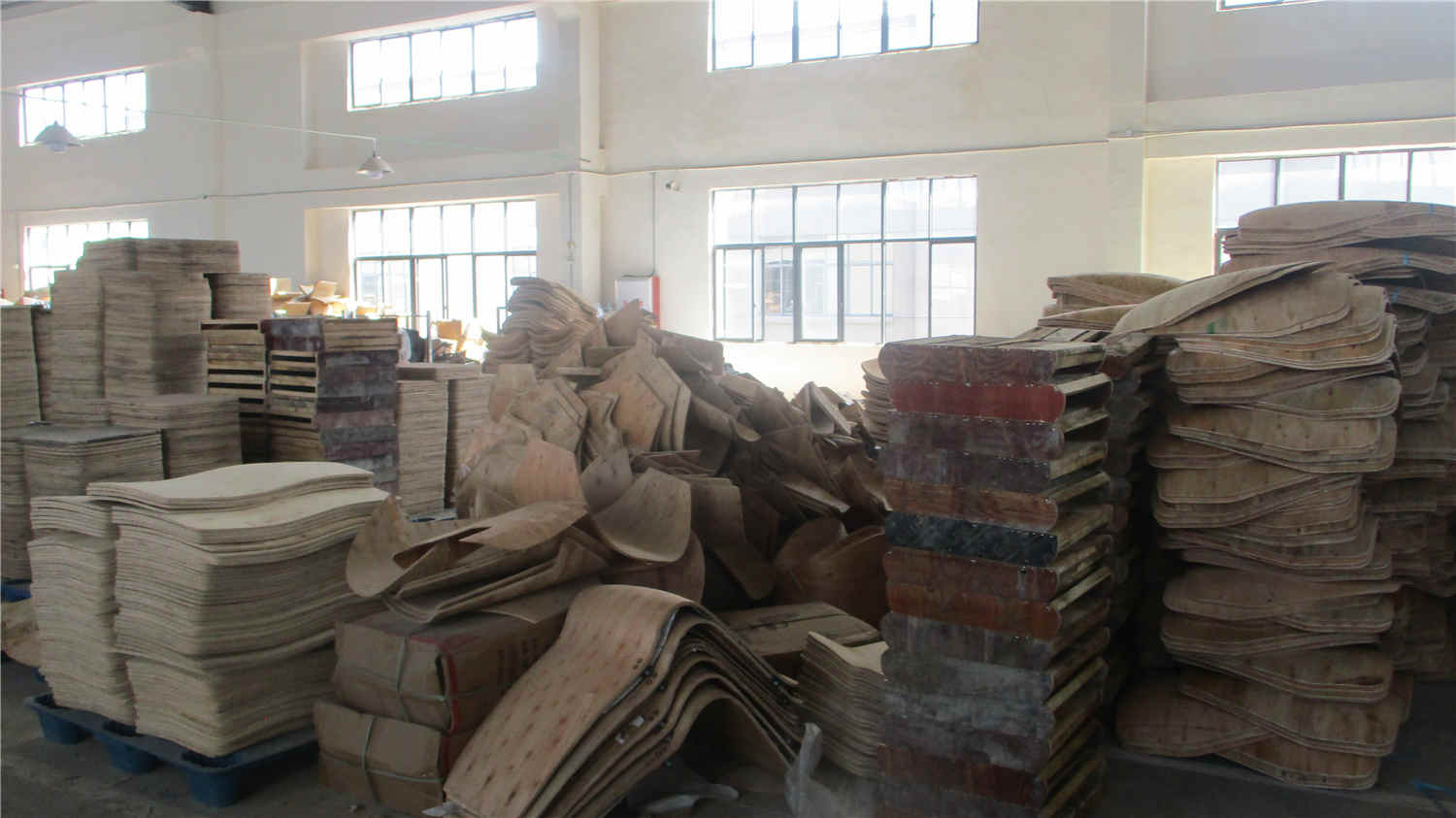
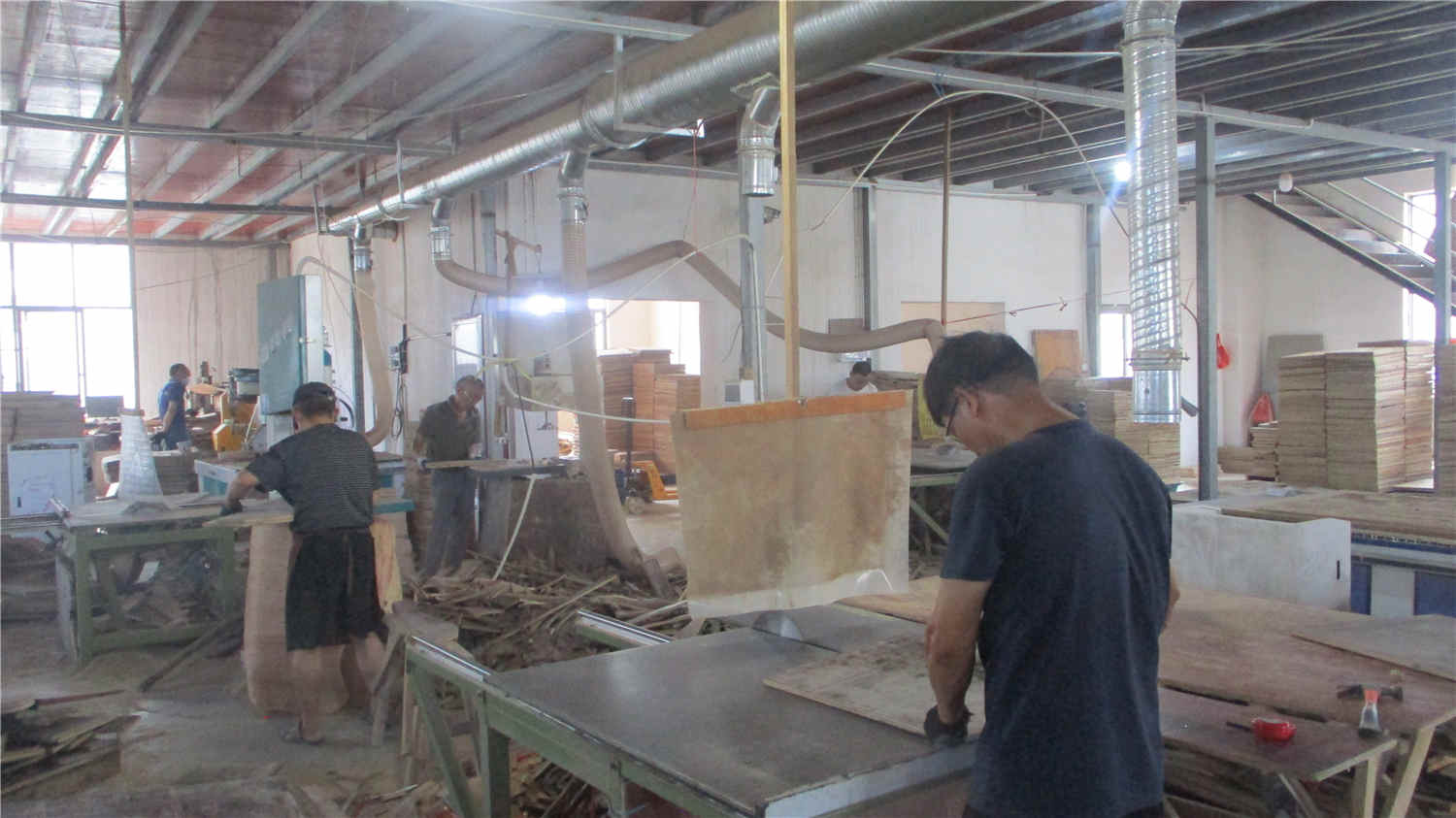
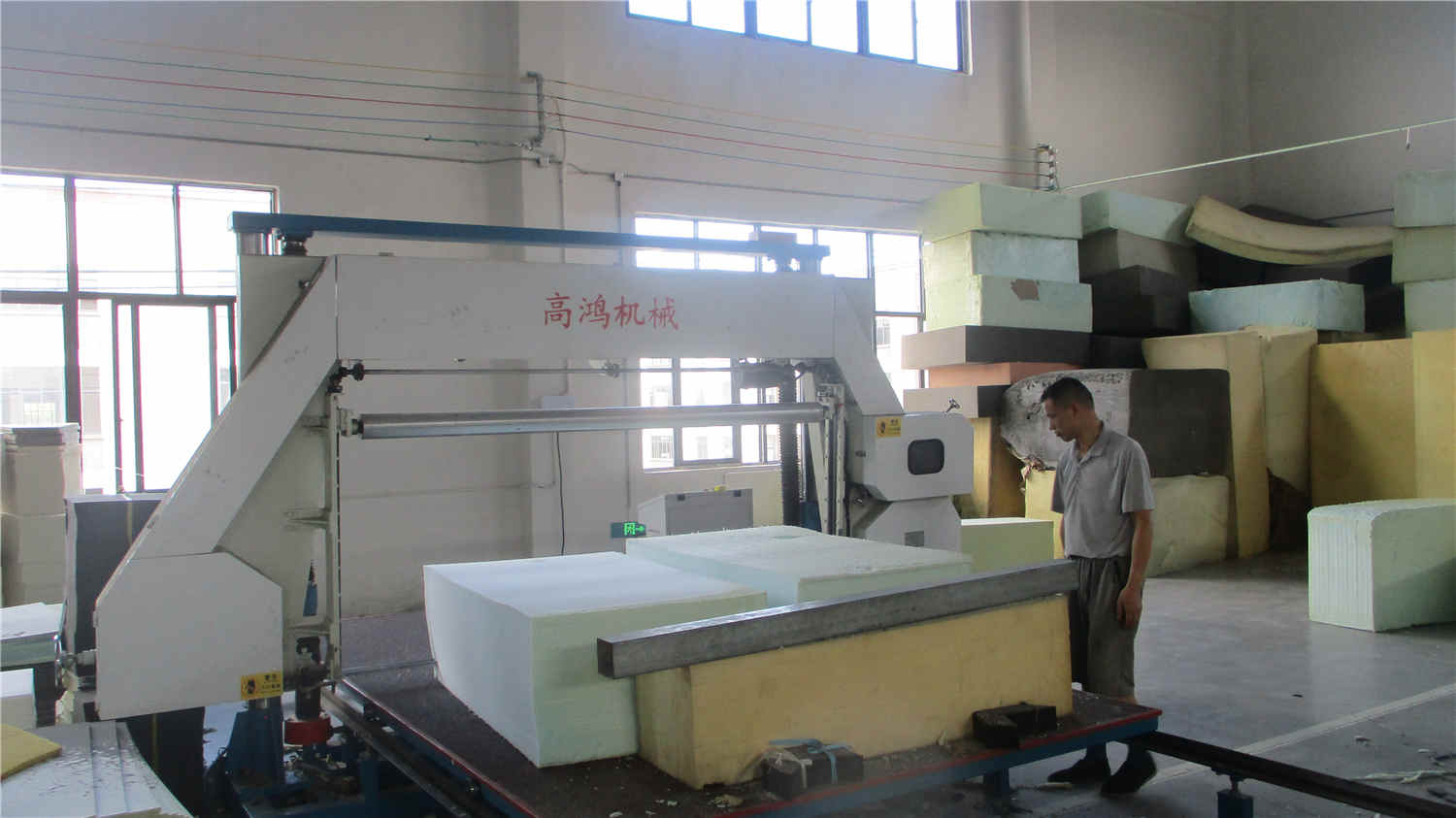
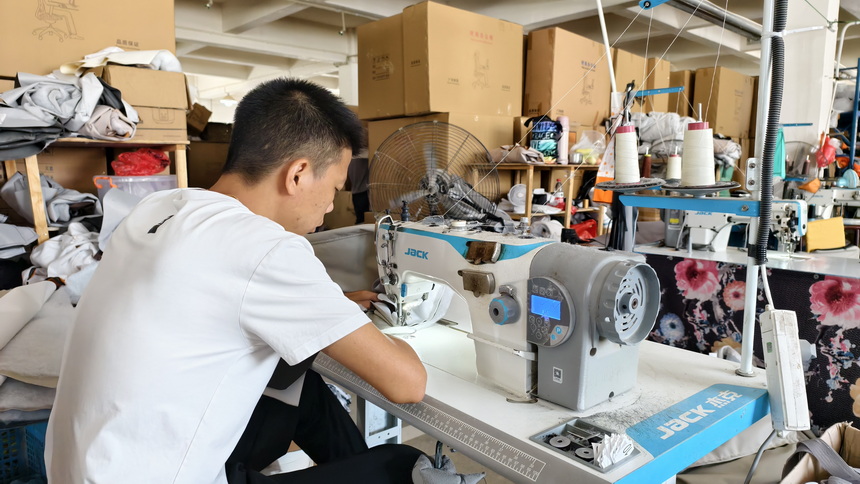
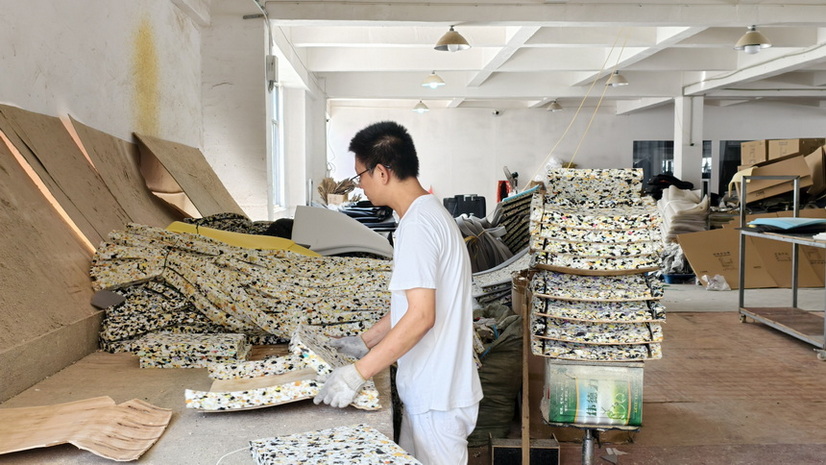
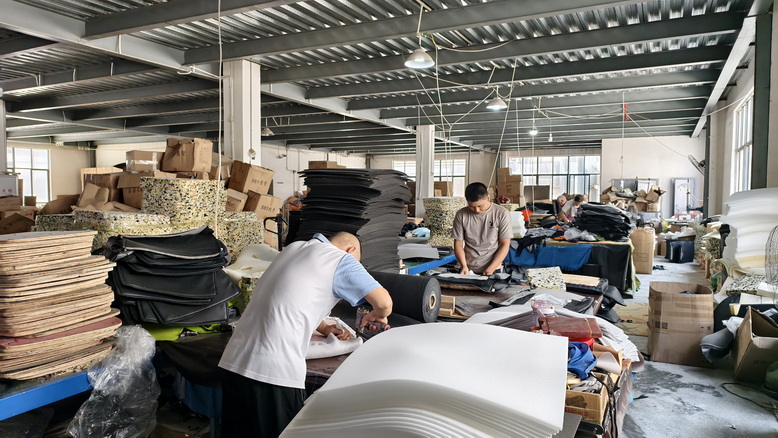
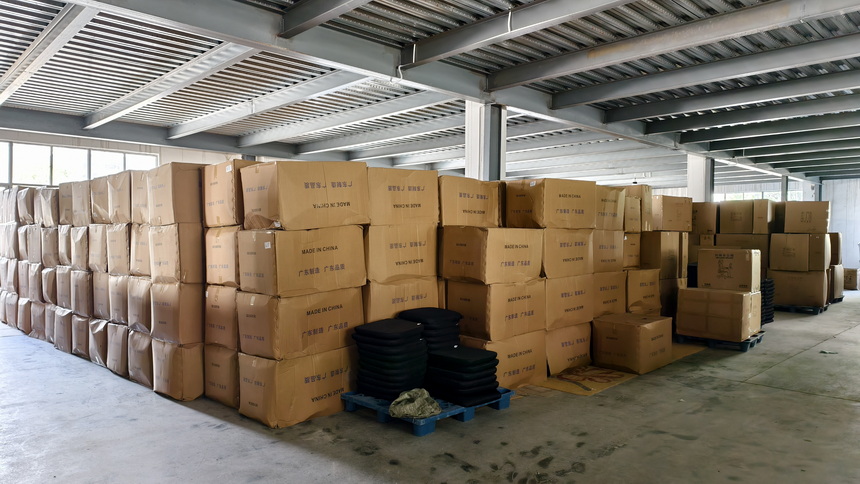
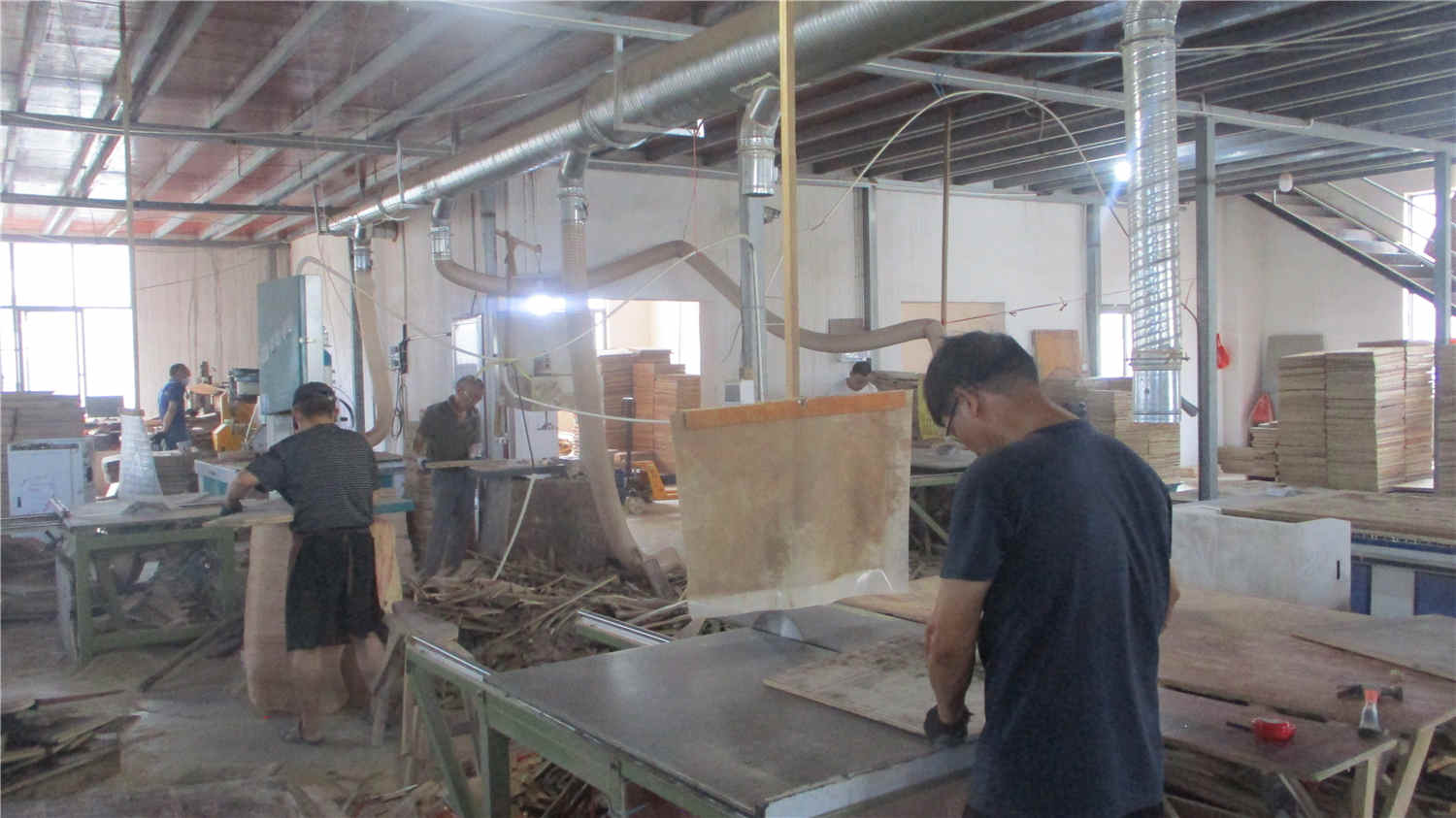
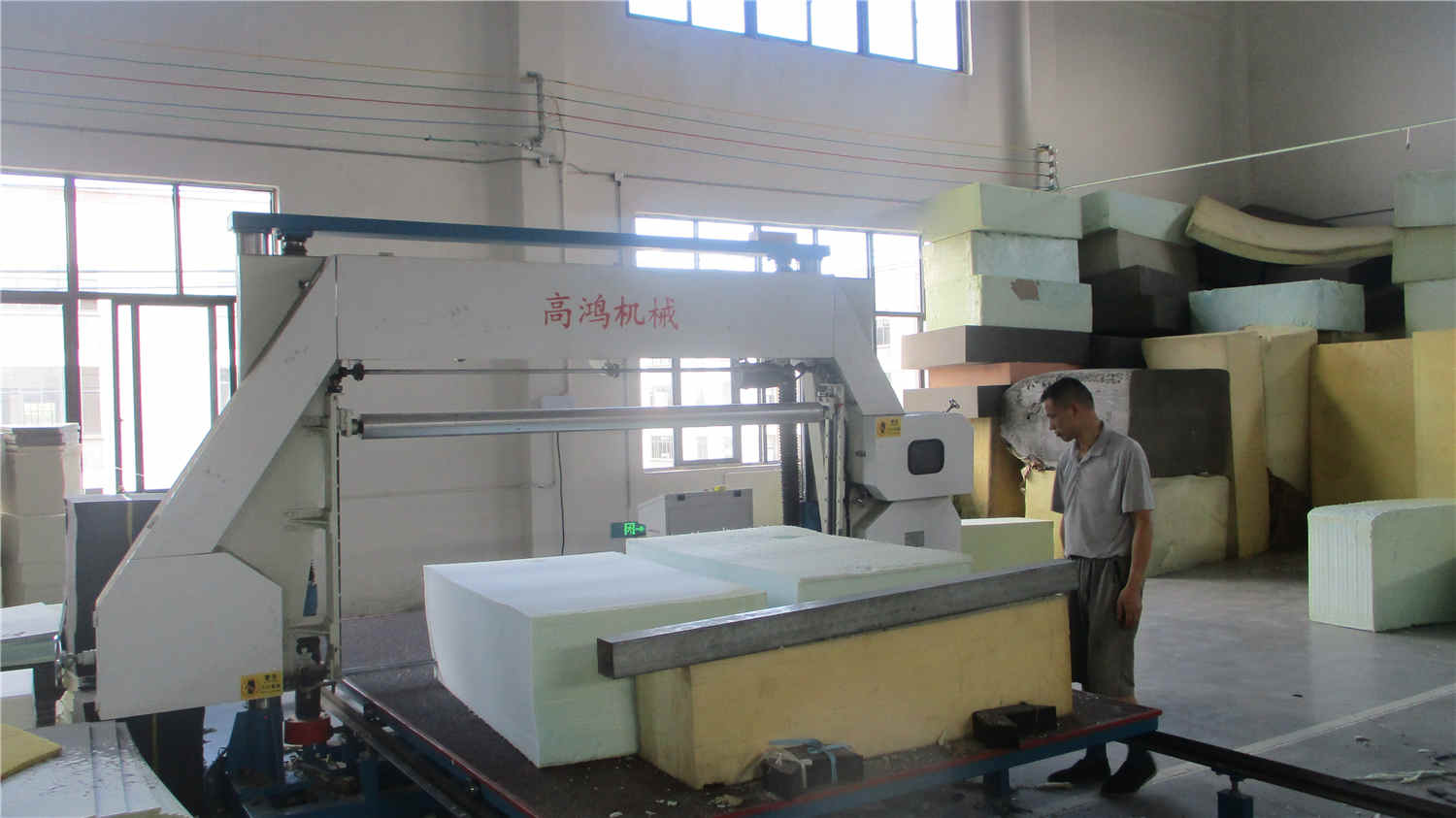
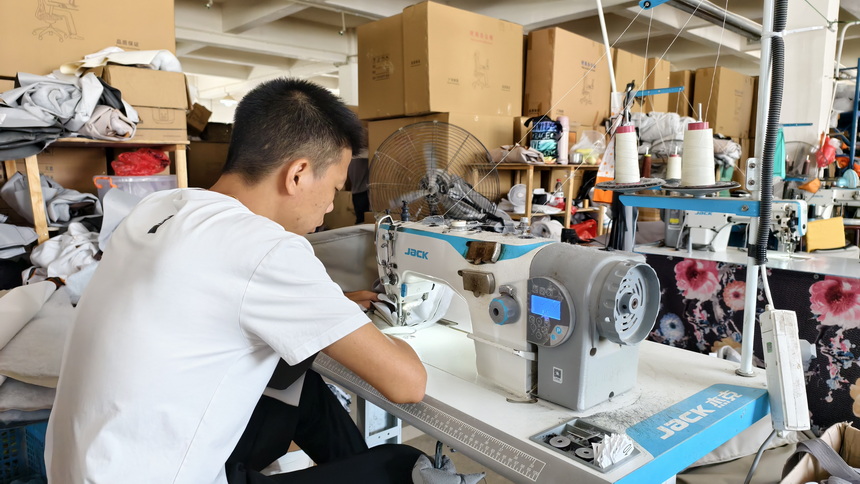
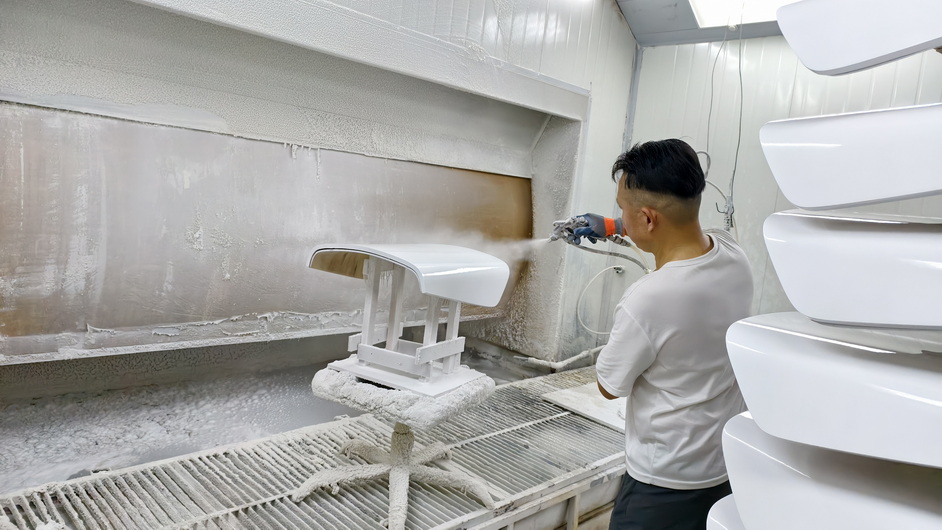
Foshan Valet Chair Co., Ltd. integrates advanced electronic components with ergonomic hardware. The technology stack of our IoT Smart Chairs is divided into three layers:
1. Sensor Layer: Features high-density sensor arrays that measure pressure distribution, heart rate via optical PPG, and local skin temperature.
2. Local Processing & Edge Computing: A low-power microcontroller processes raw sensor inputs, filtering out movement noise before transmitting the data.
3. Cloud Connectivity & Management: Using Wi-Fi, BLE, or cellular networks, telemetry is integrated with local workplace management platforms. This helps facilities managers analyze desk utilization, optimize floor plan layouts, and support workplace health initiatives.
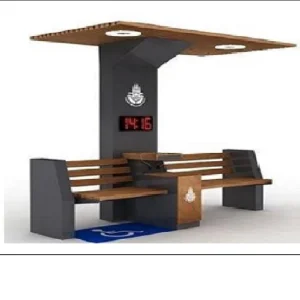
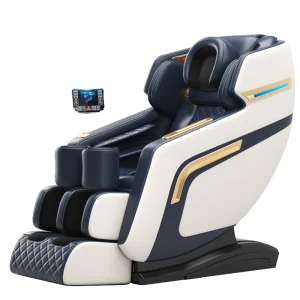
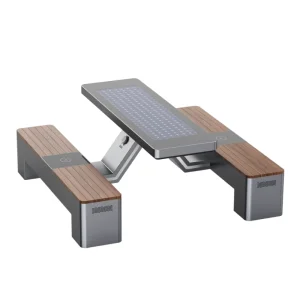
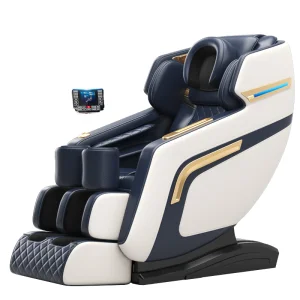
Select from our wide range of smart seats, including remote-controlled home recliners, zero-gravity massage units, solar-powered steel benches, and flexible yoga chairs.
When importing smart furniture and IoT devices from China to Ethiopia, several key technical and logistics factors must be considered:
Power Grid Compatibility: Ethiopia uses a 220V 50Hz electrical supply. All our smart chairs are configured with heavy-duty voltage stabilizers and surge protection to protect sensitive components against voltage fluctuations.
Freight Forwarding & Shipping: Consignments are typically shipped from Shenzhen or Guangzhou ports to the Port of Djibouti, which handles the majority of Ethiopia's inbound trade. From Djibouti, containers are transported inland via the Ethio-Djibouti Railway or by road to hubs like the Modjo Dry Port.
Customs and Compliance: Importers must provide a Bill of Lading, Commercial Invoice, Packing List, and Certificates of Conformity (CoC) to comply with the guidelines set by the Ethiopian Standards Agency (ESA). We provide all the necessary technical documentation, safety certifications, and test reports to support smooth customs clearance.
Frequently asked questions regarding installation, network connectivity, logistics, and warranties.
Contact our product engineering team to discuss custom configurations, bulk pricing, and shipping logistics for projects in East Africa.
Send Inquiry Now Valet Chair